
If your family are homeschooling or you’re thinking about taking the leap into home education, I bet that the question about socialisation has at least passed through your mind.
Fear not! Read on to find out what people mean when they ask, “But what about socialisation?” and if they have a good point (spoiler alert - they don’t!)
What do people really mean when they ask the question?
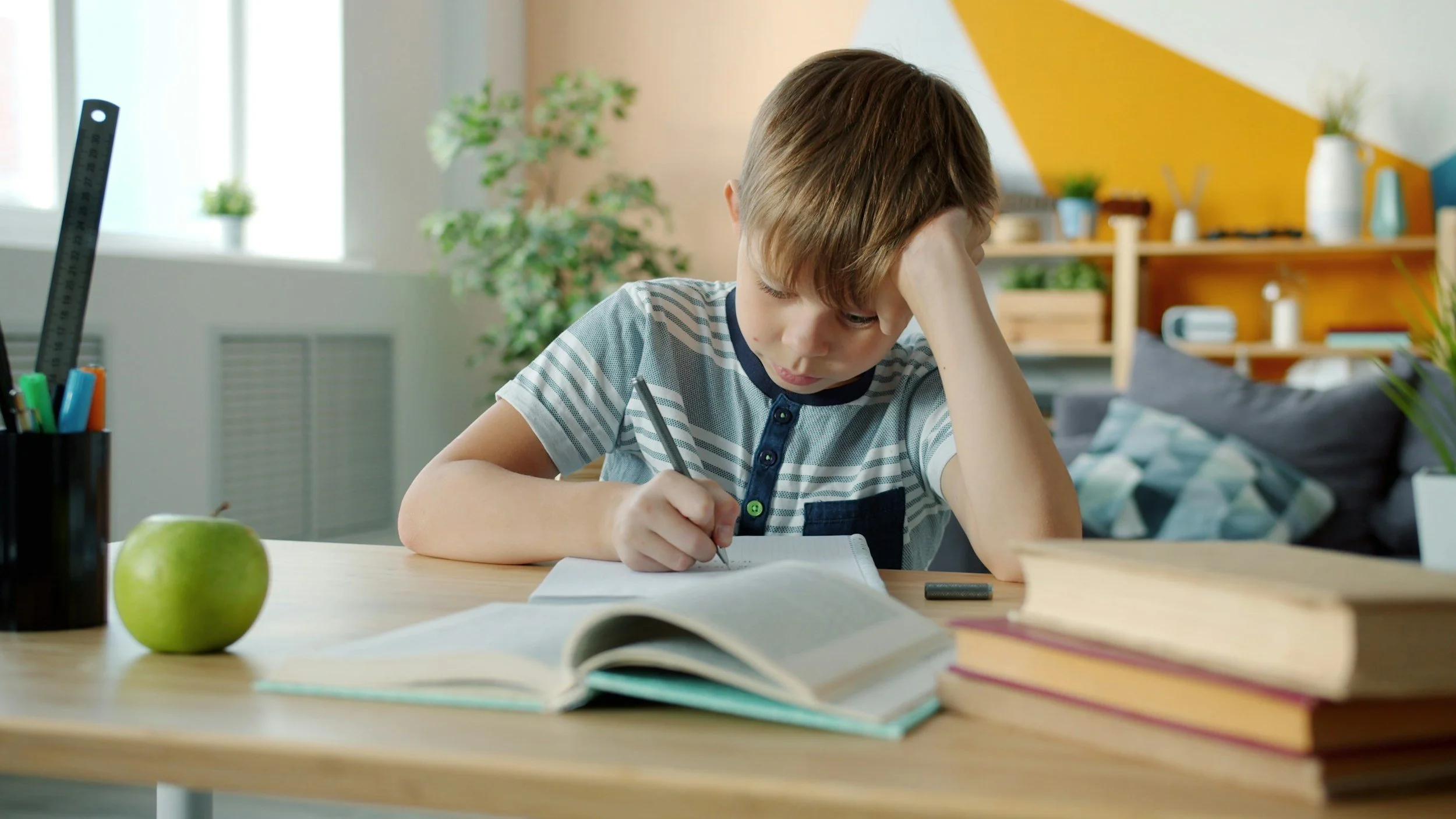
Lonely?
When someone worries about socialisation, they're usually picturing your child alone at the kitchen table, working through worksheets in silence, with no friends in sight and no world beyond the front door.
Honestly? It's an understandable image. It's just not what most homeschooling families actually look like.
What they're really asking underneath all of that is: will my child learn how to be a person in the world? And that's actually a great question — it's just that school isn't the only place that can answer it.
What school socialisation actually looks like
Here's something worth thinking about. The social environment of a traditional classroom is, when you really look at it, pretty unusual.
Children are grouped almost entirely by age, spending the majority of their day sitting beside the same 25 to 30 kids — often with very little room for genuine conversation. Social time is structured, timed, and supervised. Lunch is 20 minutes. Talking in class gets you in trouble. Friendships form, sure — but within a pretty narrow pool.
And for a lot of children — especially those who are neurodivergent, highly sensitive, or just a little different — that environment isn't socially enriching at all. It's exhausting. Or worse, it's where they quietly learn that they don't fit, that their way of communicating is somehow wrong, or that friendship is just something that happens to other kids.
That's not socialisation. That's survival.
What homeschool socialisation really looks like
Here's the thing — homeschooled children are typically really social. Just in a different way.
They interact with people across a wide range of ages, from little ones through to grandparents. They're out in the community — sports clubs, music groups, co-ops, homeschool networks, playgroups. They have genuine time and space to build real friendships, not rushed ones squeezed between bells.
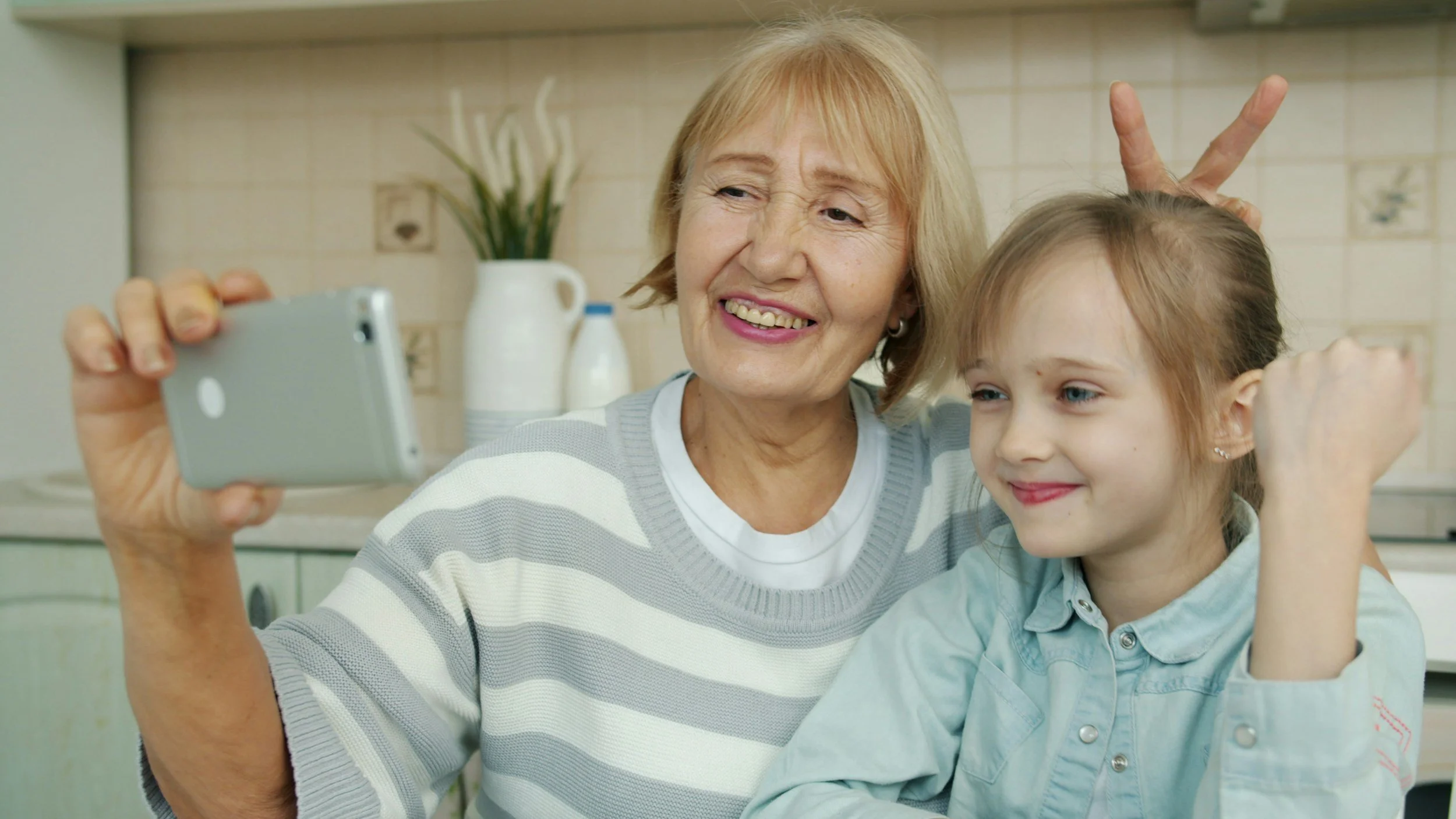
Building genuine connections
Homeschooled kids interact with people across a wide range of ages, from little ones through to grandparents.
And most importantly, they get to socialise as themselves. Not as a flattened, edited version of themselves designed to fit inside an archaic mindset within the confines of a classroom.
Why the question misses the point
The socialisation question assumes that being around lots of same-age children, five days a week, is the gold standard for social development. But research — and the lived experience of thousands of homeschooling families — tell a very different story.
What children actually need is:
Genuine connection with people who see and value them
Real opportunities to practise communication, collaboration, and working through conflict
A sense of belonging somewhere
The time and space to develop their own identity, interests, and confidence
None of that requires a school building. And for some kids, removing the school building is exactly what lets those things finally happen.
The better questions to ask
So instead of "what about socialisation?", here are the questions that are actually worth asking:
Is my child building genuine friendships and feeling connected?
Do they have opportunities to engage with the world around them?
Are they growing in confidence about who they are?
Do they feel safe enough to just be themselves around others?
If you can answer yes to those, the socialisation question pretty much answers itself.
A note for families just starting out
If you're new to homeschooling and the socialisation side of it is sitting heavily on you — you are not alone. It's one of the first things families start second-guessing themselves on.
But give it time. As the pressure of the school environment lifts, so many children — especially those who struggled socially in that setting — begin to open up in ways their parents haven't seen in years. They make friends on their own terms. They engage with the world more confidently. They stop performing and start actually connecting.
That's the kind of socialisation worth talking about - no questions about it!
At The Touring Teacher, I work with homeschooling families across the Perth metro area — bringing a fully equipped mobile classroom right to your door. Whether you're just starting out or well into your homeschooling journey, I'd love to support your family. Get in touch to find out more.